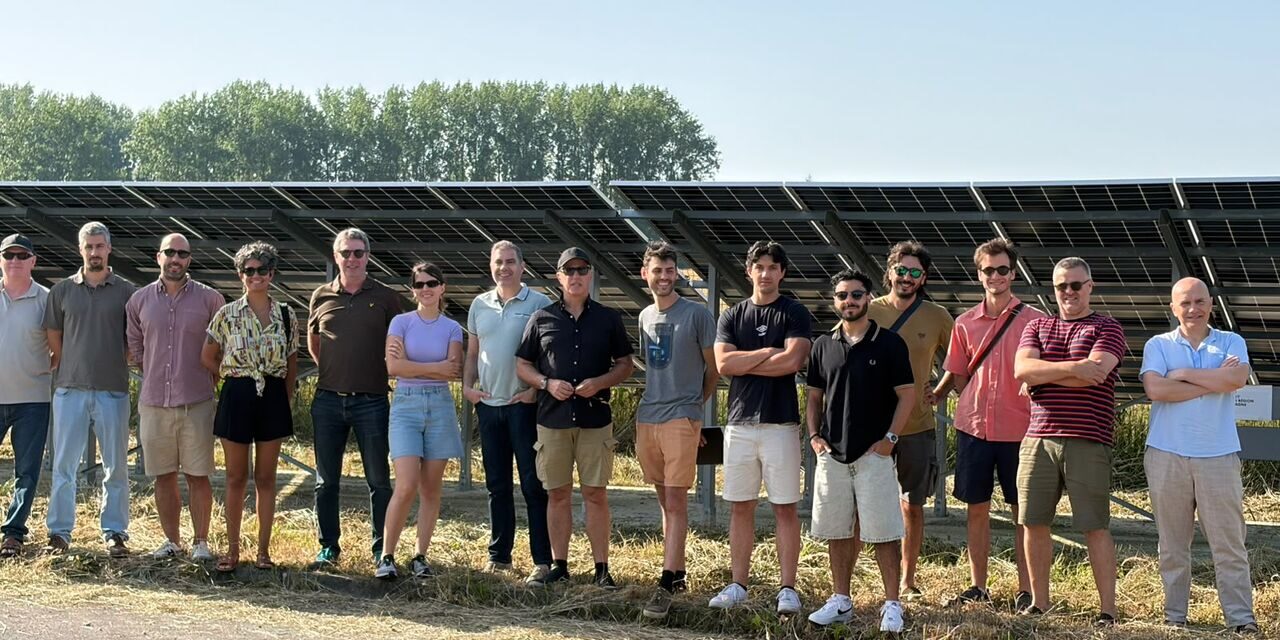
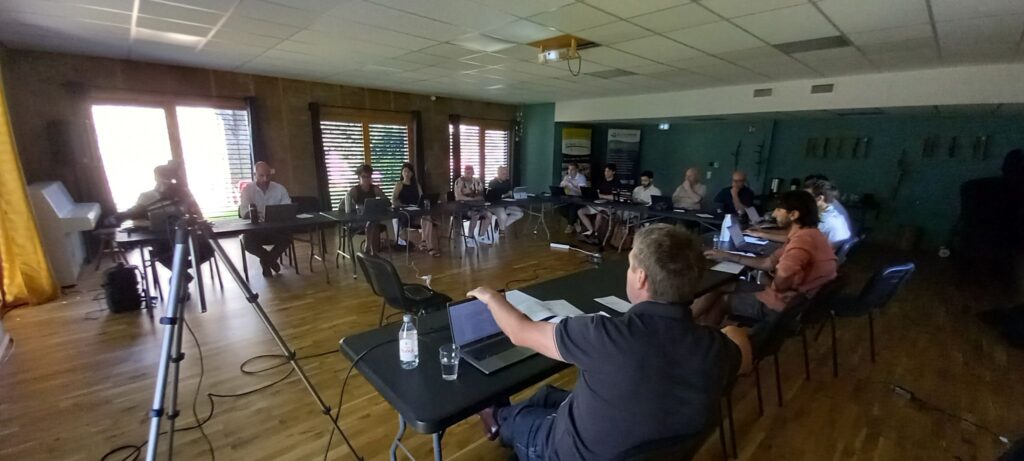
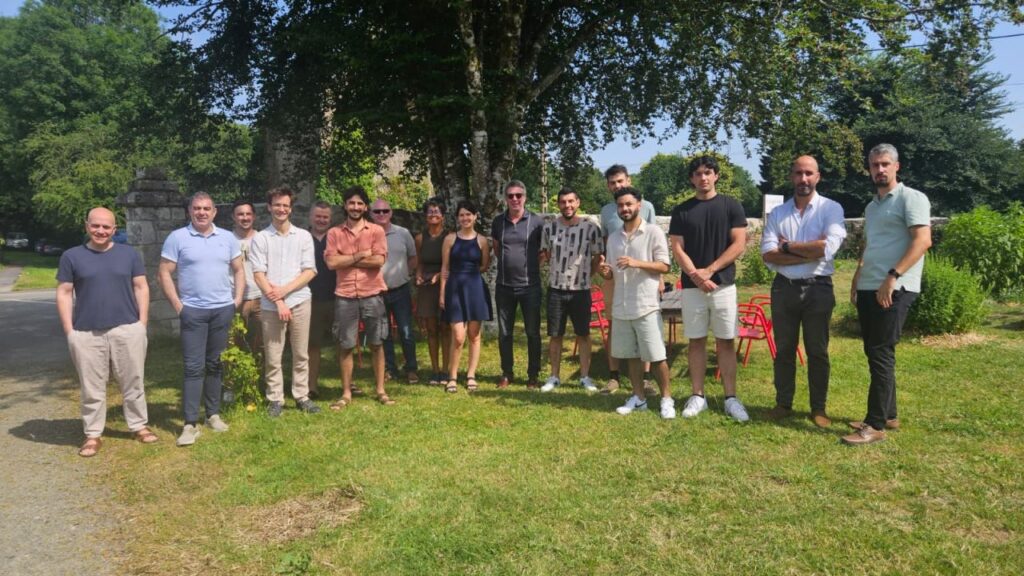
Partners in the SAtComm Interreg project gathered in Mellionec, Brittany, on 22 and 23 June for the latest consortium meeting, hosted by ALECOB. Representatives from all project partners attended the two-day event to review progress, plan the next stages of delivery, and strengthen collaboration across the consortium.
The meeting highlighted significant progress across all project Work Packages, with each partner reporting positive developments since the previous consortium meeting. Particular attention was given to the project’s five pilot demonstrations, all of which have now reached an advanced stage of implementation. These pilots are helping to demonstrate how satellite communications can support reliable connectivity and improve resilience in remote and challenging environments.
The SAtComm Steering Committee also met during the visit to review the project’s strategic objectives, governance and delivery milestones. The committee confirmed that the project remains on schedule and is progressing in line with its objectives.
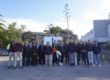
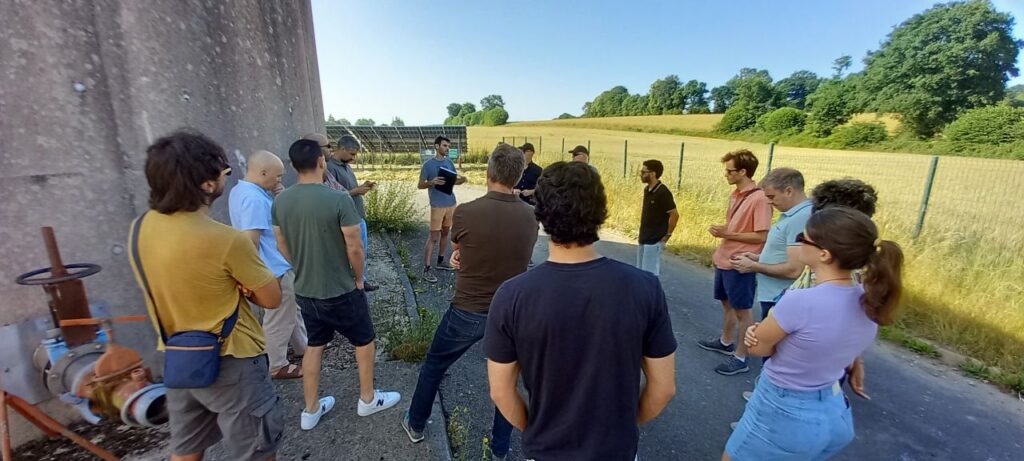
As part of the programme, partners visited one of the French pilot sites at the water treatment plant in Maël-Carhaix. The visit provided an opportunity to see first-hand how SAtComm technologies are being applied in an operational setting to support critical infrastructure through improved communications and monitoring capabilities.
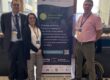
On 24 June, the project was presented to a wide audience of stakeholders at the Rencontres de L’Énergie Citoyenne event, which brought together organisations involved in community energy initiatives across France. The presentation showcased SAtComm’s objectives and the progress achieved to date. Two other Interreg projects, CIRCUS and SMARTCORE, also shared their work, leading to a lively discussion on how the three projects are addressing complementary challenges in energy resilience, digital infrastructure and community-focused innovation.
The meeting demonstrated the strong collaboration across the SAtComm partnership as the project moves towards the delivery and evaluation of its pilot activities.